 Vithupro Infotech
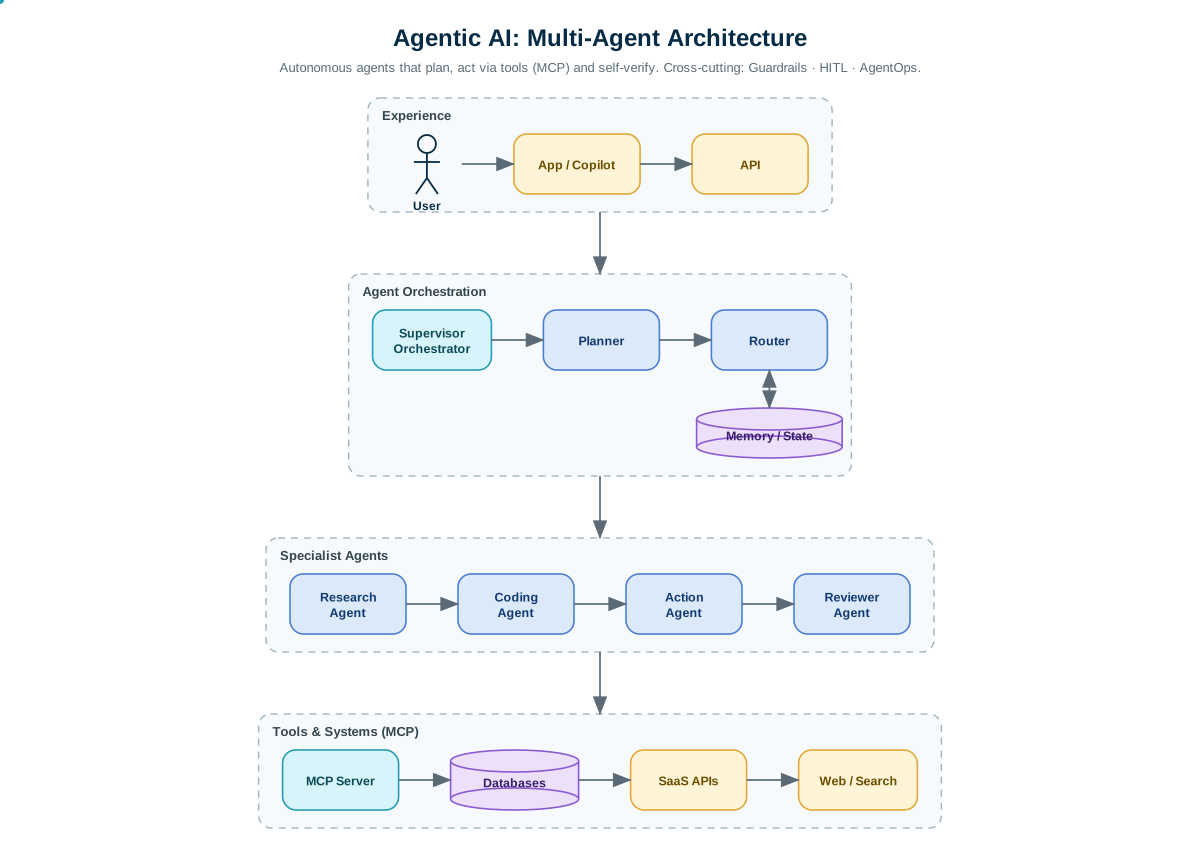
Agentic AI and multi-agent systems
Agents that plan, call tools and finish real work, with approvals, tracing and recovery built in.
The problem we solve
A demo agent takes a weekend. An agent you can trust with customer data, payments or production systems takes engineering: explicit state, scoped tools, human checkpoints, evaluation and a way to recover when a step fails. That is the part we do.
Agents that loop or stall
No explicit state machine, so failures are invisible until a user reports them.
Tools with too much reach
One broad database tool instead of narrow, audited actions with approval gates.
Prototype that cannot scale
A notebook or no-code flow that breaks on long tasks, retries and concurrent users.
What we build
Agent architecture
- Single agents with tool calling and structured output
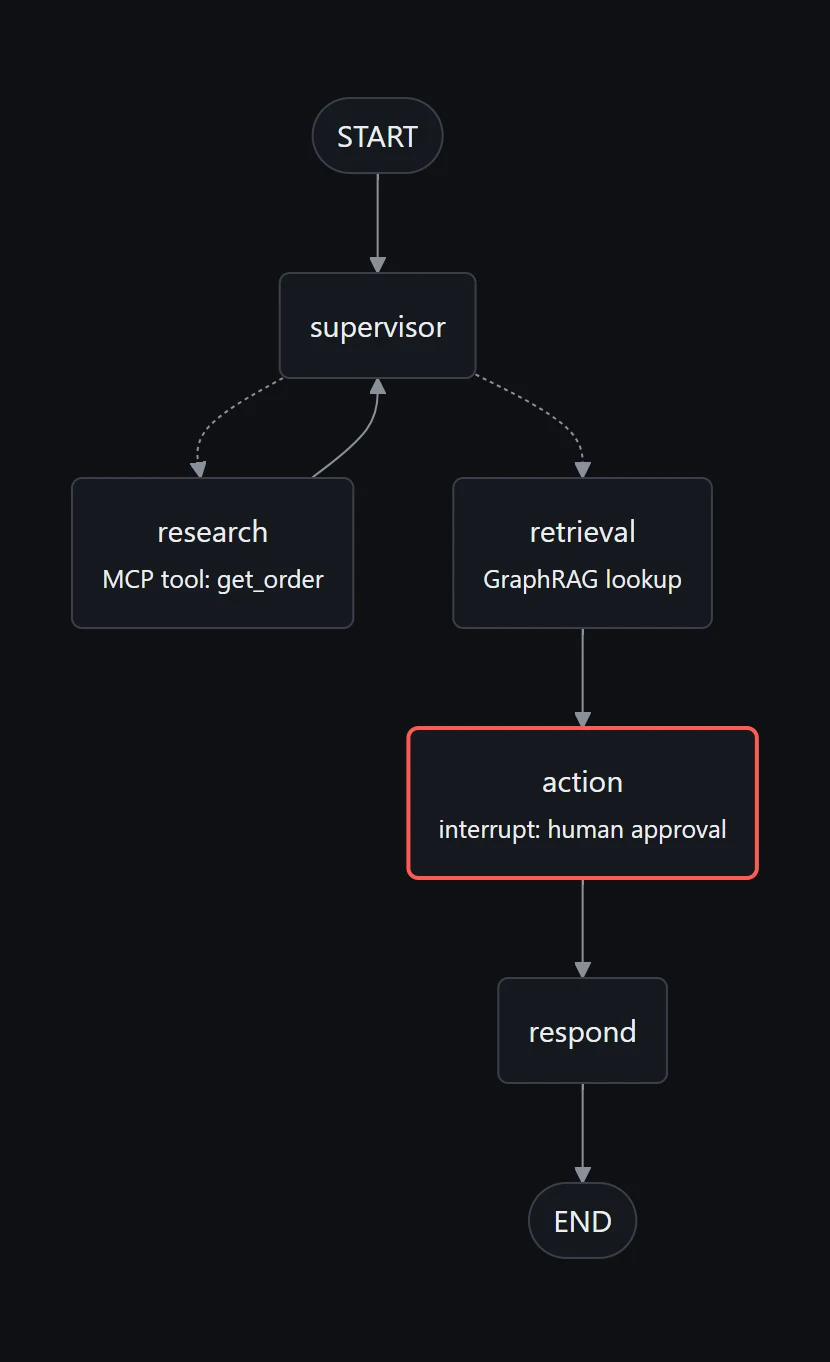
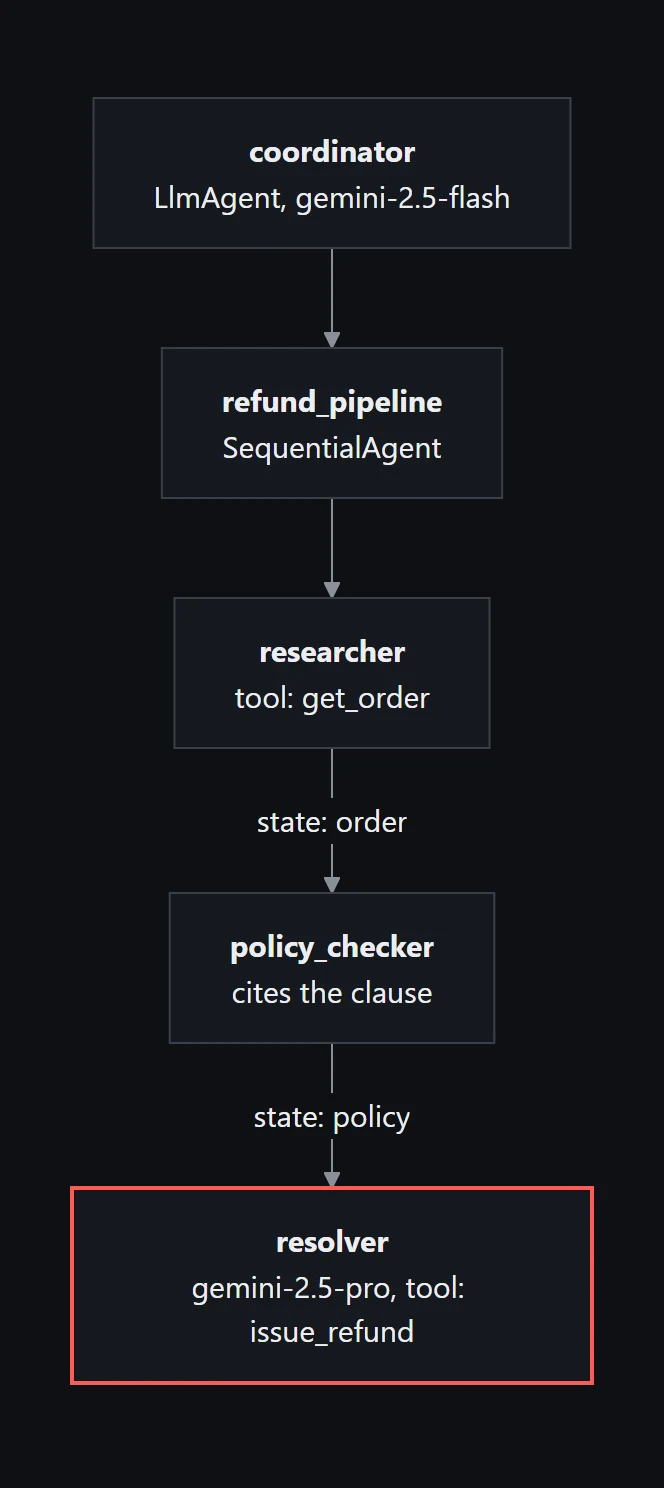
- Supervisor, hierarchical and swarm multi-agent patterns
- Planner and executor splits for long tasks
- Agent-to-agent communication (A2A)
Tools and integrations
- MCP servers for your APIs, databases and SaaS tools
- Least-privilege tool scopes and argument validation
- Browser, code-execution and retrieval tools
- CRM, ticketing, ERP and messaging integrations
Reliability
- Checkpointed state with resume after failure
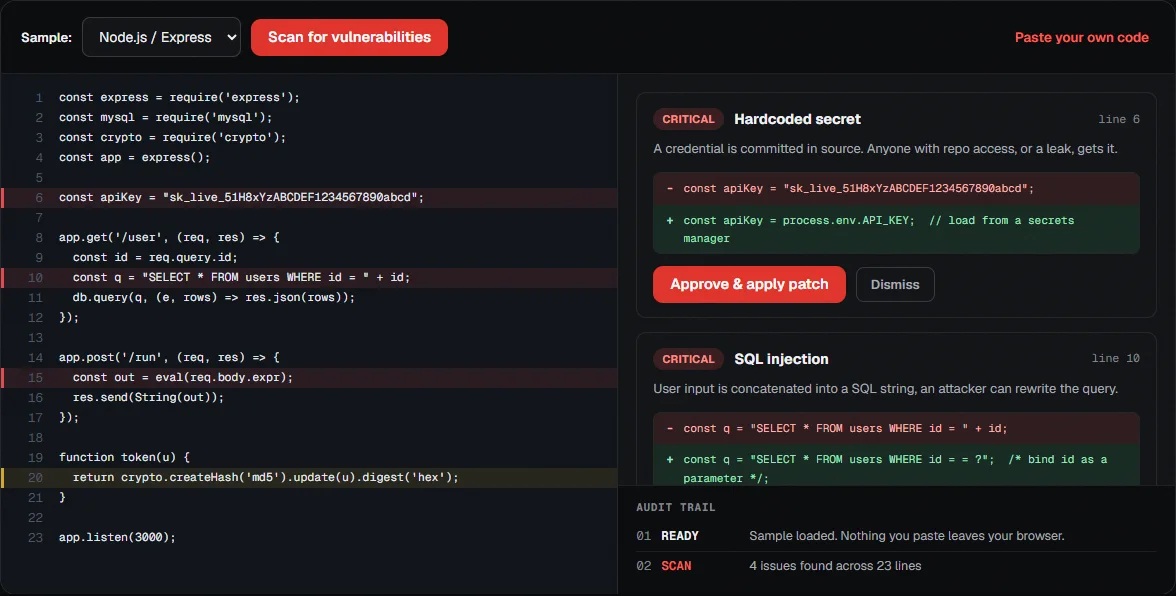
- Human-in-the-loop approval for irreversible actions
- Durable long-running agents on Temporal
- Timeouts, retries, budgets and loop limits
Observability and quality
- Step-level tracing with LangSmith or Langfuse
- Task-level evals on real scenarios before release
- Cost and latency dashboards per agent and tool
- Audit log of every tool call and decision
What this looks like when we build it
The stack
Go deeper on the tools:
How we deliver it
Agent proof of concept
2 to 3 weeks. One workflow, real tools, an eval set and a recorded walkthrough.
Production build
4 to 10 weeks. Multi-agent system, approvals, tracing, deployment on your cloud.
Run and improve
Monthly. New tools and agents, eval regression checks, cost tuning.
Questions
LangGraph or Google ADK?
LangGraph gives fine control over state, branching and checkpoints and works with any model. ADK fits teams on Google Cloud and Gemini, with built-in workflow agents and deployment to Vertex AI Agent Engine. We recommend one after looking at your stack, hosting and the shape of the workflow.
How do you stop an agent from doing something harmful?
Narrow tools instead of broad ones, validation on every argument, approval steps before anything irreversible, spending and step limits, and an audit log of every call.
Can agents run for hours or days?
Yes. Long or multi-step processes run as durable workflows (Temporal or LangGraph checkpoints), so a crash or deploy resumes the work instead of restarting it.
Related services
Have an AI system to build?
Tell us what it needs to do. We reply within one business day with questions, a rough plan and the next step.
- Free 30-minute architecture call
- NDA before you share details
- You own all code and IP
- Reply within one business day